
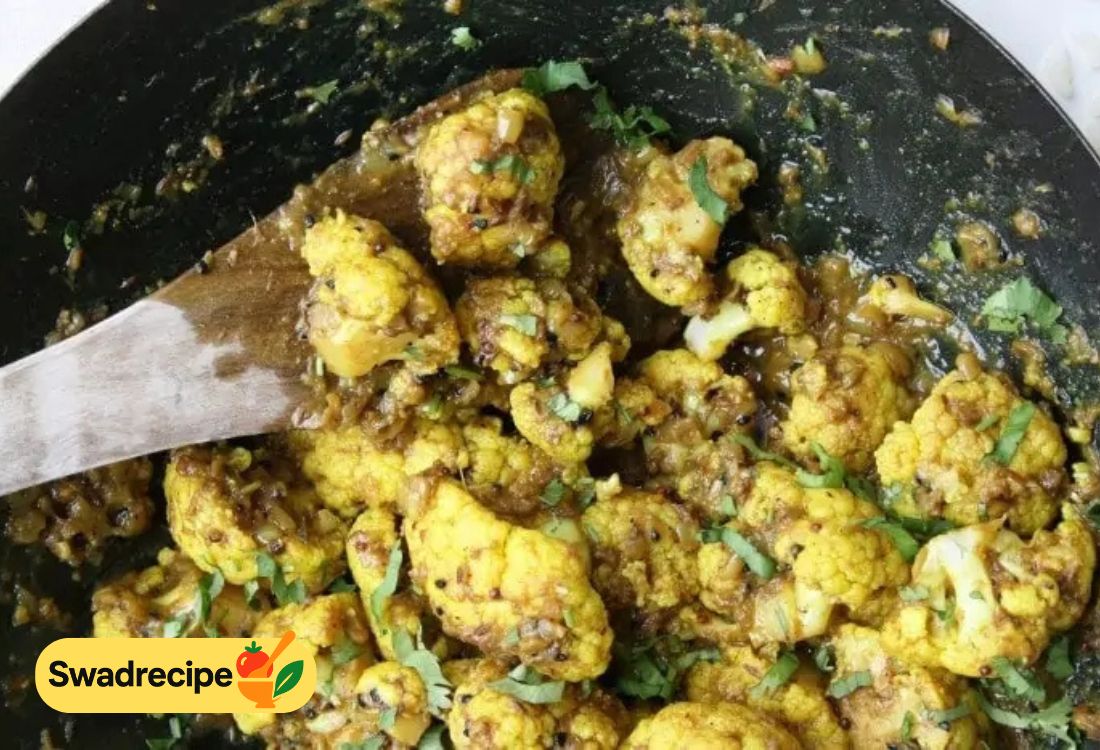
There is something magical about the way food carries stories—stories of places, people, and the emotions attached to them. This recipe of Lucknowi Achari Gobi is one such dish that comes wrapped in memories of travel, heartfelt conversations, and the warm hospitality found in Indian homes. Inspired by a cook from Kanpur who spoke with immense pride about the cuisine of his region, this dish brings together the boldness of mustard oil and the irresistible tang of achari spices to create a cauliflower preparation that is both comforting and full of character. Whether you are a fan of Uttar Pradesh’s culinary traditions or simply love trying new flavours in your everyday meals, this recipe makes for a beautiful addition to your table.
Introduction to Lucknowi Achari Gobi
Achari dishes have a long history in North Indian kitchens, especially in regions where preserving vegetables was once a necessity during scorching summers. The term achari refers to the pickling-style blend of spices—spices that bring depth, heat, tang, and aroma all at once. This version from Lucknow leans on a mix of fennel, mustard seeds, cumin, nigella, and fenugreek, creating a fragrance that instantly reminds you of homemade pickles. The use of mustard oil further elevates the flavours, though a milder oil can be used if you prefer. What makes this dish even more irresistible is the tanginess brought in by amchoor, giving the sabzi its signature achari punch. Serve it with soft rotis, warm parathas, or a simple pulao for a satisfying meal.
Ingredients You Will Need
For Achari Spice Mix:
• Cumin seeds
• Mustard seeds
• Fenugreek seeds
• Fennel seeds
• Nigella seeds
For the Cauliflower:
• Cauliflower florets
• Green chillies
• Salt
• Ginger
• Garlic
• Mustard oil or sunflower oil
• Asafoetida
• Onions, sliced
• Turmeric powder
• Coriander powder
• Amchoor (dried mango powder)
• Sugar
• Fresh coriander for garnish
How to Prepare the Achari Masala
The foundation of this dish lies in its freshly ground spices. Start by adding cumin, mustard, fenugreek, fennel, and nigella seeds to a grinder and pulse until they form a coarse mixture. This rustic texture is essential, as it helps release the spices slowly into the oil. Next, grind green chillies with a pinch of salt to make a paste. Blend ginger and garlic together with a splash of water until smooth. Set all mixtures aside, ready to be used in the cooking process.
Cooking the Base Masala
Heat mustard oil in a heavy-bottomed pan over medium heat, letting it reach just the right temperature to mellow its sharpness. Add asafoetida followed by the coarsely ground achari spices. These need only a few seconds to bloom in the hot oil before you add the sliced onions. Cook the onions for about twelve minutes, stirring often until they soften and take on a lovely golden hue. Add the ginger–garlic paste and sauté for a minute so it loses its raw aroma.
Building the Flavour with Cauliflower
Sprinkle in turmeric powder and mix well. Add the cauliflower florets followed by coriander powder. Season to taste, then sauté everything together for a few minutes so the florets soak up the spices. Pour in around 150 ml of water, followed by the green chilli paste. Cover the pan and let the cauliflower cook gently on a low flame for about fourteen minutes, stirring a couple of times to ensure even cooking.
Finishing the Dish
Once the cauliflower turns tender and has absorbed all the flavours, add amchoor powder and a pinch of sugar to balance the tang. Stir well and allow everything to cook for another minute so the spices settle perfectly. Finish with freshly chopped coriander, adding brightness and freshness to the dish. Lucknowi Achari Gobi is best enjoyed warm with roti, naan, or a simple pulao.
Serving Notes
This dry-style sabzi makes a beautiful weekday lunch option but is equally suited for a festive spread because of its aromatic, pickle-like notes. Its bold flavours pair well with mild dals, curd, or lightly seasoned rice dishes. With its roots in Uttar Pradesh and its appeal reaching far beyond, this dish truly celebrates the diversity and warmth of Indian home cooking